
Around the building, not through it
Isolations agreed before anything is drained, work sequenced so heating and hot water are off for the shortest time we can manage, and the area left usable at the end of each day.
A commercial job is the same pipework and the same combustion. What changes is everything around it.
The building is occupied, so the work has to fit an access window rather than a day. Somebody other than the occupier is paying, so the quote and the invoice have to be clear enough to sign off. And when it fails, it fails for a tenant or a customer rather than for the person who owns it, which is why the paperwork from the last visit matters as much as the visit itself.
Our answer to all three is the same. One engineer who knows the building, a written record of what was found and what was set, and a straight answer about what will need doing next year.
Most of what goes wrong in a heating system announces itself a season in advance. A planned service in the summer costs a fraction of the same visit in December, and it happens at a time that suits the people in the building.
So the offer is either. Put the plant on an annual schedule and we will book it, carry it out and send you the readings. Or call when something has stopped and we will price the repair before starting it. What we will not do is turn a callout into a replacement quote without explaining why.
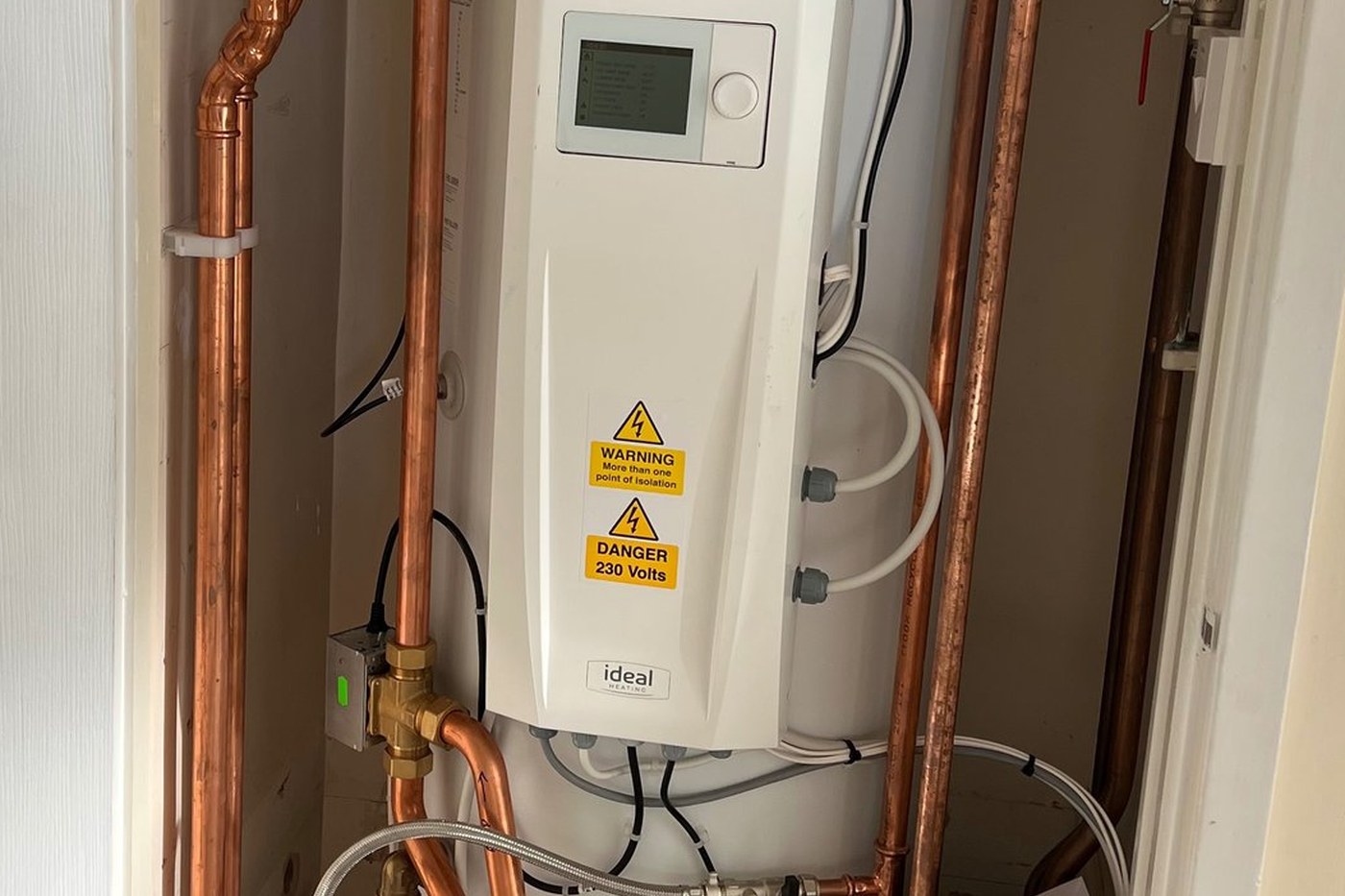
Isolations agreed before anything is drained, work sequenced so heating and hot water are off for the shortest time we can manage, and the area left usable at the end of each day.
Combustion readings, pressures, settings and the parts that went in, recorded on every visit. Next year there is something to compare against instead of a memory.
A price for the work in front of us and a separate note of what we can see coming, so a budget can be planned rather than sprung on you halfway through a winter.
On a live site the plumbing is rarely the problem. Being there on the right day is.
We first fix to the drawing and to the programme, mark up what changed on the way through, and second fix when the finishes are ready rather than before them. Commissioning, balancing and handover are part of the job, not a follow-up visit somebody has to chase.
Extensions, conversions, refurbishments and end-of-tenancy work all run the same way. If the programme moves, tell us early and we will move with it.